- admin@stemcell.com
- December 17, 2025
- Stem Cell Therapy
- 0 Comments
Stem Cell Therapy Miami Complete 2026 Guide Benefits Cost Specialists Risks
Regenerative medicine has transformed orthopedic care over the last decade, offering patients new options beyond surgery and long term medication use. One of the most researched treatments today is stem cell therapy in Miami, especially among patients dealing with joint pain, tendon injuries, and degenerative conditions. As interest continues to grow in 2026, many patients are searching for accurate information rather than exaggerated promises.
Miami has become a destination for regenerative care because of experienced physicians, advanced imaging practices, and clinics that have worked in this field long before it became popular. This guide is written to educate patients clearly and responsibly, helping them understand how stem cell therapy works, who it may benefit, and what realistic expectations should be.
Understanding Stem Cell Therapy
Stem cell therapy in orthopedic medicine focuses on supporting the body’s natural healing mechanisms. These treatments do not replace damaged joints or rebuild tissue instantly. Instead, they influence the biological environment around injured structures.
Adult stem cells used in musculoskeletal care are commonly obtained from the patient. Once introduced into the injured area, they release signaling molecules that help reduce inflammation and support tissue repair.
Important characteristics of this approach include
- Use of the patient’s own biologic material
- Image guided precision injections
- Gradual improvement over time
- Emphasis on function and mobility
Why Florida Is a Major Regenerative Care Hub
Florida has become a leader in regenerative orthopedic care due to a combination of patient demand, physician expertise, and long term clinical experience. Miami in particular sees patients from across the country and internationally, allowing clinics to treat a wide range of musculoskeletal conditions.
- High volume of orthopedic and sports related cases
- Early adoption of ultrasound guided injections
- Physician led clinics rather than corporate models
- Emphasis on non surgical treatment pathways
Because of this environment, stem cell treatments in Florida have evolved through real clinical application rather than theory alone.
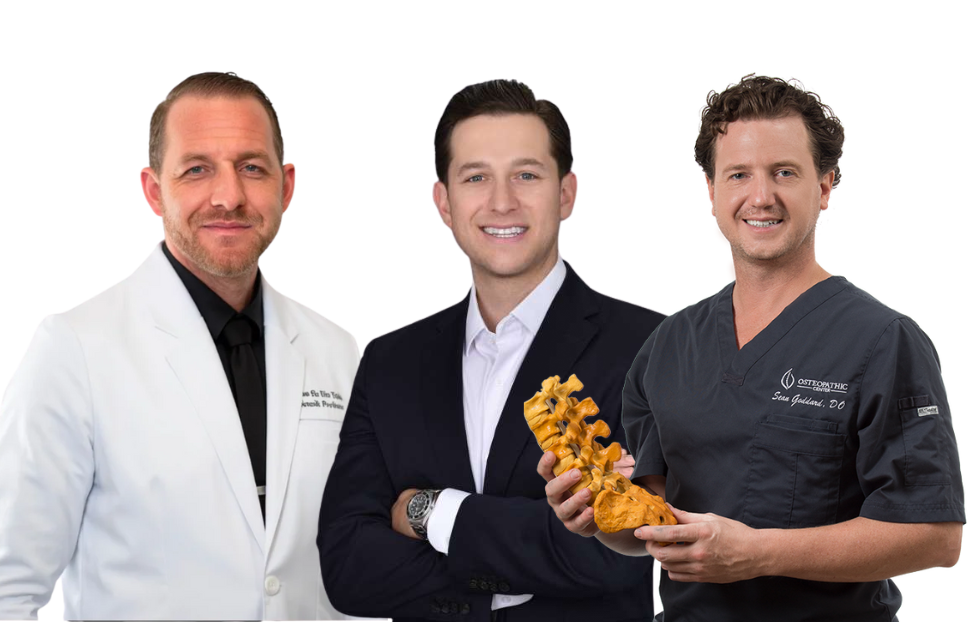
The Osteopathic Center and Its Longstanding Role
The Osteopathic Center has been involved in regenerative and non surgical orthopedic care since 2011. This was years before stem cell therapy became widely advertised. The clinic’s philosophy has always focused on restoring function, improving movement, and reducing pain through evidence based care.
Being pioneers means refining protocols over time, identifying who benefits most, and recognizing when regenerative treatment is not appropriate. This long term clinical experience has shaped how care is delivered today.
- Comprehensive diagnostic evaluation
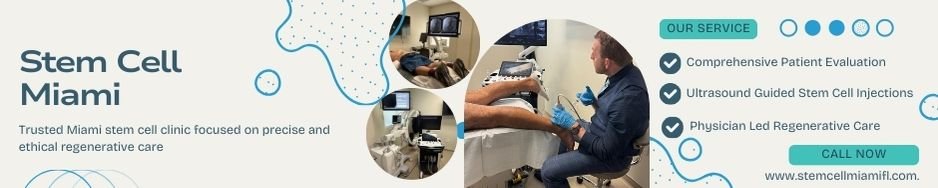
- Ultrasound guided accuracy
- Conservative care before invasive options
- Patient education and informed decision making
This approach has helped establish trust and credibility within the regenerative medicine space.
Conditions Commonly Considered for Treatment
Stem cell therapy is most commonly explored for orthopedic conditions where inflammation and tissue quality play a central role. It is not intended for every patient or every stage of disease.
Conditions frequently evaluated include
- Knee osteoarthritis in early to moderate stages
- Shoulder rotator cuff and labral injuries
- Hip joint degeneration
- Chronic tendon and ligament injuries
- Persistent joint pain not responding to therapy
Evaluation Before Any Procedure
A responsible regenerative program begins with evaluation rather than treatment. Clinics that recommend injections without imaging or examination should raise concern.
- Detailed medical history
- Physical examination
- Diagnostic imaging such as ultrasound or MRI
- Review of prior treatments and response
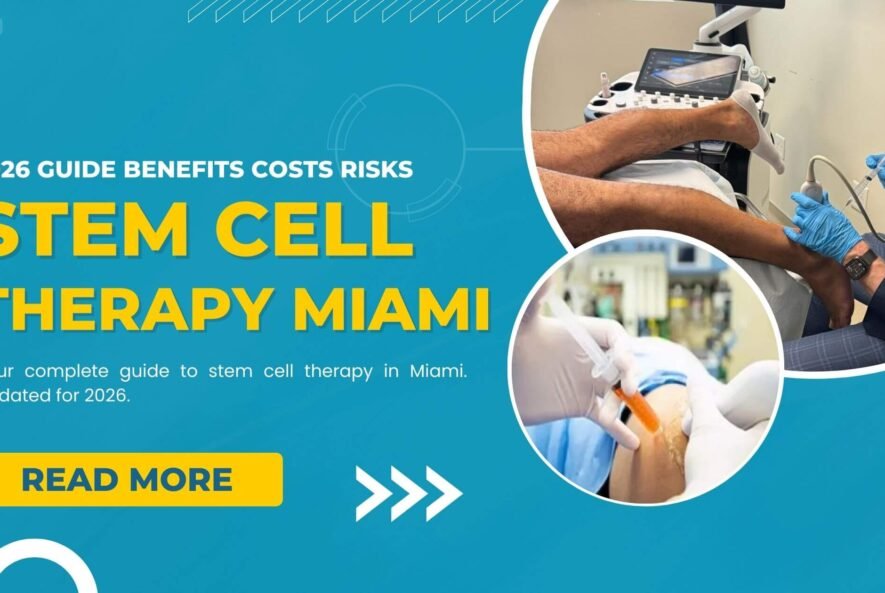
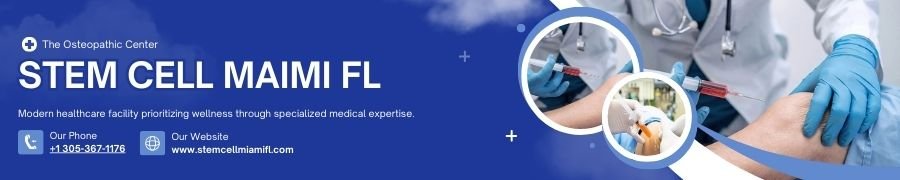
Once candidacy is confirmed, stem cells are usually harvested from bone marrow. The biologic material is processed under sterile conditions and injected into the affected area using imaging guidance.
Stem cell therapy is considered safe when performed correctly, but it remains a medical procedure with potential risks. Understanding these risks is an important part of informed consent.
- Temporary pain or swelling
- Infection if sterile protocols are not followed
- Minimal or no symptom improvement
- Variable response depending on condition severity
The cost of regenerative care varies based on complexity, number of joints treated, and type of biologic material used. These procedures are generally not covered by insurance.
- Physician experience and credentials
- Use of imaging guidance
- Follow up care and rehabilitation planning
- Long term goals compared to surgical alternatives
Where Regenerative Medicine Fits in Modern Care
Regenerative medicine serves as a bridge between conservative therapy and surgery. It does not eliminate the need for surgery in all cases, but it may delay or reduce surgical intervention for selected patients.
The continued growth of regenerative medicine miami reflects a shift toward preserving natural joint structures and improving quality of life with less invasive options.
Not all clinics offering regenerative services follow the same standards. Patients should be cautious of exaggerated claims and limited transparency.
- Who performs the procedure
- What imaging guidance is used
- How long the clinic has offered regenerative care
- Which conditions are not appropriate for treatment
Improvement from stem cell therapy is gradual. Patients often experience changes over weeks to months as inflammation decreases and tissue function improves.
Research into orthopedic stem cell applications continues to expand. While not all uses are standardized, evidence increasingly supports their role in carefully selected musculoskeletal conditions.
Clinics that remain evidence focused adapt protocols as new data emerges, strengthening both safety and effectiveness.
Stem cell therapy is a medical tool, not a miracle cure. When used responsibly, it can play a valuable role in orthopedic care. Miami’s reputation in regenerative medicine has been built by clinics with long term experience and ethical standards.
The Osteopathic Center continues the work it began by focusing on education, precision, and patient centered care. For those researching stem cell therapy in Miami, the most important step is choosing knowledge, experience, and transparency.