How Long Does Stem Cell Therapy Take to Work?
Stem cell therapy has become one of the most promising regenerative treatments for people suffering from chronic pain, joint injuries, and degenerative conditions. Many patients considering regenerative medicine ask an important question: How long does stem cell therapy take to work?
The answer depends on several factors including the condition being treated, the severity of the injury, the patient’s overall health, and the type of stem cell treatment used. While some patients begin noticing improvements within a few weeks, full regenerative benefits typically develop over several months as the body heals naturally.
At Stem Cell Miami FL, regenerative therapies such as stem cell injections and PRP treatments are designed to stimulate the body’s natural healing process rather than simply masking symptoms.
Understanding How Stem Cell Therapy Works
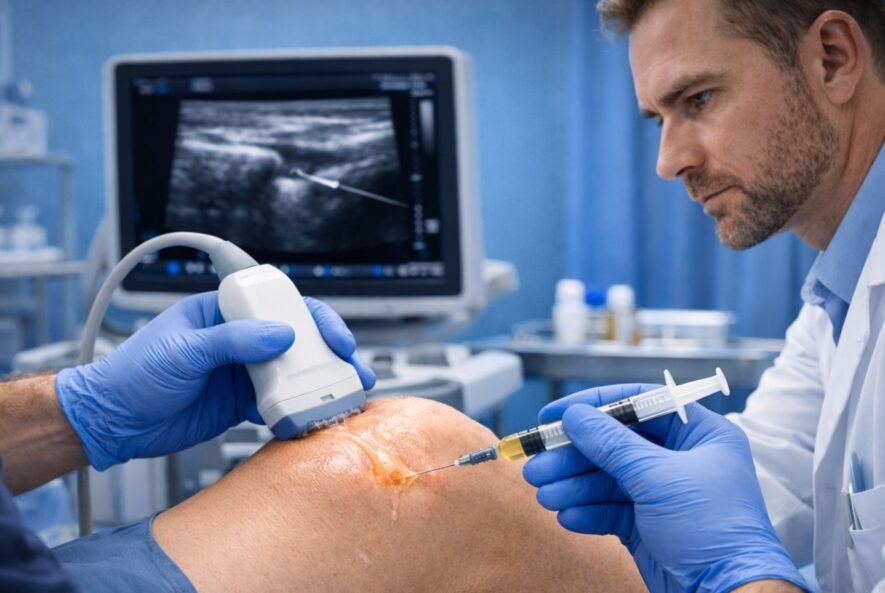
Stem cells are unique cells capable of transforming into different types of specialized cells. When injected into damaged tissue, they help repair and regenerate the affected area by:
- Reducing inflammation
- Stimulating tissue repair
- Promoting collagen production
- Improving blood supply to injured areas
- Supporting long-term healing of joints, tendons, and ligaments
Unlike surgery or steroid injections, stem cell therapy works gradually by activating the body’s natural healing mechanisms.
According to research published by the National Institutes of Health (NIH), regenerative therapies can support tissue repair and improve outcomes in orthopedic injuries and degenerative joint conditions.
Timeline: How Long It Takes for Stem Cell Therapy to Work
The healing timeline after stem cell therapy varies depending on the patient and the condition being treated. However, most patients experience recovery in stages.
First Few Days After Treatment
Immediately after the procedure, mild swelling or soreness around the injection site is normal. This is a positive sign that the body’s healing response has been activated.
- Mild inflammation begins
- Stem cells start communicating with surrounding tissues
- Repair signals are triggered
Most patients can return to light activities within a day or two.
2 to 6 Weeks: Early Improvements
During the first month, many patients begin noticing early improvements including reduced pain and better mobility.
- Inflammation decreases
- Tissue regeneration begins
- Pain relief starts gradually
- Joint mobility may improve
However, stem cell therapy is not an instant fix. It works by stimulating gradual healing rather than providing immediate symptom suppression.
2 to 3 Months: Tissue Regeneration
By the second or third month, regenerative processes become more noticeable.
- Damaged tissues begin rebuilding
- Joint function improves
- Chronic inflammation reduces
- Strength and flexibility increase
Patients with joint conditions such as arthritis or ligament injuries often experience significant improvements during this stage.
3 to 6 Months: Maximum Healing Benefits
The full benefits of stem cell therapy are typically seen within 3 to 6 months.
- New tissue formation stabilizes
- Pain continues decreasing
- Joint performance improves
- Mobility and activity levels increase
In some complex conditions, improvements may continue for up to a year.
Factors That Affect How Quickly Stem Cell Therapy Works
Not all patients experience results at the same speed. Several factors influence the recovery timeline.
Type of Injury or Condition
Different medical conditions respond differently to regenerative therapy.
- Knee arthritis
- Rotator cuff injuries
- Back pain
- Ligament tears
- Tendon damage
Soft tissue injuries often respond faster than severe degenerative conditions.
Severity of Damage
The more advanced the tissue damage, the longer the healing process may take. Early treatment usually produces faster and more effective results.
Patient Age and Overall Health
Healthy individuals with active lifestyles often respond better to regenerative treatments.
- Better circulation
- Stronger immune response
- Improved cellular regeneration
Post-Treatment Care
Following medical instructions plays a major role in recovery.
- Physical therapy
- Avoiding heavy strain
- Maintaining a healthy diet
- Staying hydrated
These factors support the body’s natural healing mechanisms.
Conditions That Respond Well to Stem Cell Therapy
Stem cell therapy is commonly used to treat a wide range of orthopedic and degenerative conditions.
- Knee arthritis
- Shoulder injuries
- Rotator cuff tears
- Back pain
- Tendon injuries
- Sports injuries
- Joint degeneration
At Stem Cell Miami FL, regenerative medicine treatments are customized to each patient’s condition to maximize healing outcomes.
Stem Cell Therapy vs Traditional Treatments
Many traditional treatments focus on managing symptoms rather than repairing damaged tissue.
| Treatment | Goal | Healing Potential |
|---|---|---|
| Steroid Injections | Reduce inflammation | Temporary relief |
| Pain Medication | Mask pain symptoms | No tissue repair |
| Surgery | Repair severe damage | Long recovery |
| Stem Cell Therapy | Stimulate tissue regeneration | Natural healing |
Is Stem Cell Therapy Worth the Wait?
Although stem cell therapy does not produce immediate results like pain medications, it focuses on repairing the root cause of pain and tissue damage.
Many patients prefer regenerative medicine because it:
- Avoids invasive surgery
- Uses the body’s natural healing ability
- Reduces long-term pain
- Improves joint performance
- Supports long-term recovery
For individuals dealing with chronic joint pain or sports injuries, regenerative therapies may provide a powerful alternative to surgery.
Expert Insight from Regenerative Medicine Specialists
According to regenerative medicine specialists, the body needs time to regenerate tissue naturally.
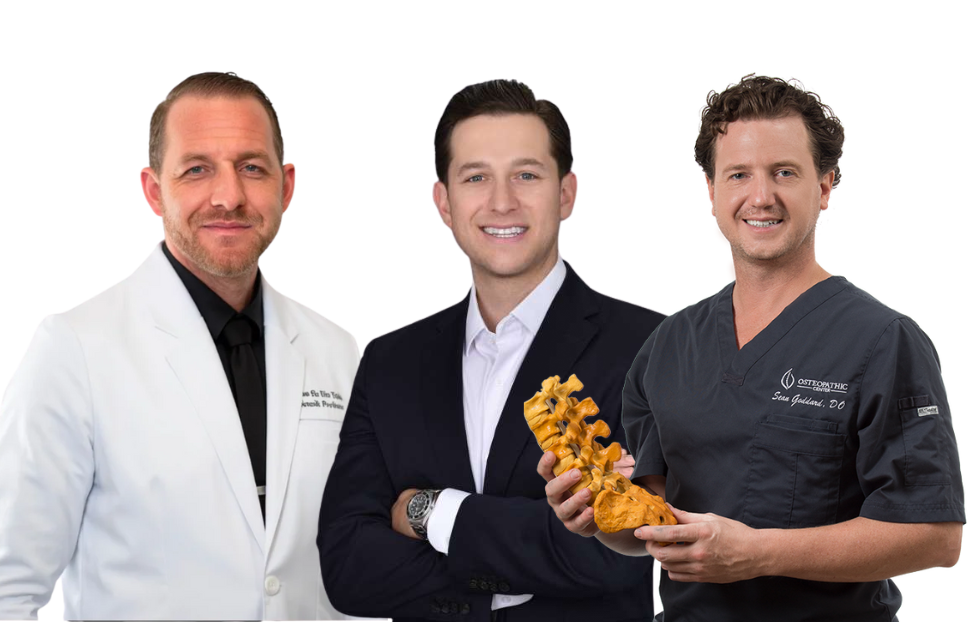
Dr. Jesse Morse, a board-certified sports medicine physician, emphasizes that regenerative treatments focus on stimulating healing rather than delivering immediate symptom relief.
This gradual process is what allows stem cell therapy to produce long-lasting improvements.
When Should You Consider Stem Cell Therapy?
You may be a candidate for stem cell therapy if you experience:
- Chronic joint pain
- Sports injuries
- Degenerative arthritis
- Ligament injuries
- Persistent inflammation
- Pain that has not improved with traditional treatments
A consultation with a regenerative medicine specialist can determine whether this treatment is appropriate for your condition.
Frequently Asked Questions
Do stem cells work immediately?
No. Stem cell therapy works gradually as the body regenerates tissue. Most patients begin seeing improvements within several weeks.
How many stem cell treatments are needed?
Many patients achieve significant improvement with a single treatment, although some conditions may require multiple sessions.
How long do stem cell therapy results last?
Results may last several years depending on the condition treated and the patient’s lifestyle.
Is stem cell therapy safe?
When performed by qualified medical professionals, regenerative treatments are considered safe and minimally invasive.
Start Your Healing Journey
If you are suffering from chronic pain or joint injuries, regenerative medicine may offer a natural path to recovery.
At Stem Cell Miami FL, our team specializes in advanced stem cell therapies designed to help patients restore mobility and reduce pain without surgery.
Schedule a consultation today to learn whether stem cell therapy is right for your condition.