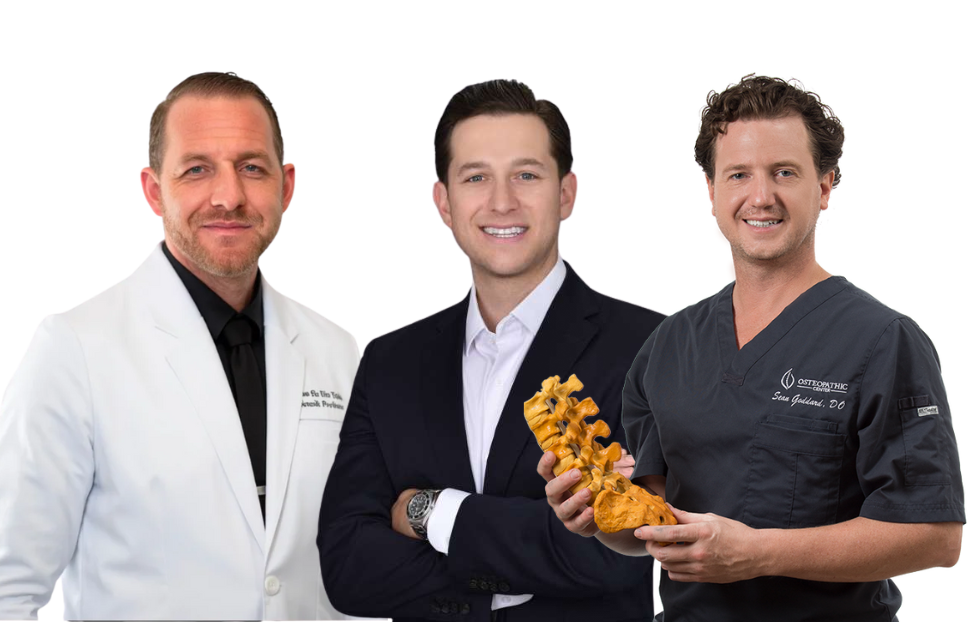

Choosing a stem cell clinic in Miami should involve more than comparing prices, reading testimonials, or selecting the first clinic that appears in search results. Stem cell therapy can refer to different products, procedures, treatment protocols, and levels of medical supervision.
Quick Answer: Before choosing a clinic, ask who will perform the procedure, what type of cells or regenerative product will be used, whether it is FDA-approved, what evidence supports it for your condition, what risks are involved, and what the total cost includes. A reputable clinic should provide clear answers, written documentation, and realistic expectations without guaranteeing results.
1. Who Will Perform My Stem Cell Procedure?
Ask for the full name, qualifications, and medical license of the physician who will evaluate and treat you. Your consultation should not be handled only by a salesperson or patient coordinator.
Important questions include:
- Is the procedure performed by an MD or DO?
- Is the physician licensed to practice medicine in Florida?
- Is the doctor board-certified?
- Does the physician specialize in sports medicine, orthopedics, pain management, or regenerative medicine?
- How frequently does the physician perform this procedure?
- Will the physician personally review my MRI, X-ray, or other imaging?
You can verify a healthcare professional through the Florida HealthSource License Verification system.
Patients considering treatment at our clinic can also learn more about Dr. Jesse Morse’s medical background and experience.
2. What Type of Stem Cells or Regenerative Product Will Be Used?
The term “stem cell therapy” does not describe one standardized treatment. Ask the clinic to identify exactly what will be administered during your procedure.
- Are the cells obtained from my body or from a donor?
- Are they derived from bone marrow, adipose tissue, umbilical cord tissue, or another source?
- Will PRP, hyaluronic acid, exosomes, or another biologic be included?
- Where is the product processed or manufactured?
- How is it stored and transported?
- Can the clinic provide documentation about sterility, sourcing, processing, and viability?
- What is the exact name of the product?
Do not accept vague explanations such as “powerful healing cells” or “FDA-registered stem cells.” FDA registration is not the same as FDA approval.
3. Is This Treatment FDA-Approved for My Condition?
This is one of the most important questions to ask before choosing a stem cell clinic.
The U.S. Food and Drug Administration states that regenerative medicine products, including many products marketed as stem cell or exosome therapies, have not been approved for orthopedic conditions such as osteoarthritis, knee pain, back pain, shoulder pain, neck pain, and tendon injuries.
Ask the clinic:
- Is this exact product FDA-approved for my diagnosis?
- If it is not approved, how will that be disclosed?
- Is the treatment part of a registered clinical trial?
- Is there an FDA-issued Investigational New Drug application number?
- Can I review the informed-consent documents before deciding?
Review the FDA consumer alert about regenerative medicine products and our guide explaining FDA approval and stem cell therapy in Florida.
4. How Does Florida’s Stem Cell Law Apply?
Florida Senate Bill 1768 became effective on July 1, 2025. It allows licensed physicians to perform certain non-FDA-approved stem cell therapies for orthopedic conditions, pain management, and wound care when specific requirements are followed.
These requirements may include:
- Signed informed consent
- Disclosure that the treatment is not FDA-approved
- Proper physician licensing
- Product sourcing and facility standards
- Post-thaw viability analysis for applicable products
- Required notices in advertisements for non-FDA-approved therapies
Permission under Florida law does not mean that a treatment is FDA-approved or guaranteed to be effective. Ask the clinic how it complies with the law and request written documentation.
You can read the official Florida Senate summary of SB 1768.
5. What Evidence Supports the Treatment for My Condition?
Research involving one condition, treatment protocol, or cell source cannot automatically be applied to every regenerative treatment.
Ask the following questions:
- Are there peer-reviewed human studies involving my condition?
- Was the same product used in those studies?
- Were the patients similar to me in age and condition severity?
- How many patients participated in the research?
- Was there a control or comparison group?
- How long were patients followed?
- Were pain, mobility, function, and adverse events measured?
Be cautious if a clinic relies entirely on testimonials, laboratory research, or before-and-after pictures. You can search for registered research studies through ClinicalTrials.gov. Registration of a study does not prove that a treatment works.
6. Am I Actually a Candidate?
A responsible clinic should not recommend treatment before reviewing the cause and severity of your symptoms.
A proper evaluation may include:
- Your complete medical history
- Current medications
- Previous treatments
- A physical examination
- MRI or X-ray review
- Joint stability and range of motion
- General health conditions
- Recovery goals and expectations
Ask what findings would make you a poor candidate. You should also ask whether physical therapy, medication, PRP, activity modification, conventional injections, or a surgical consultation should be considered first.
Learn how our clinic develops personalized regenerative treatment plans in Miami.
7. Will Ultrasound Guidance Be Used?
Accuracy is important when an injection is placed into a joint, tendon, ligament, or another musculoskeletal structure.
- Will ultrasound or another imaging method be used?
- Is the physician trained in image-guided procedures?
- Will the targeted structure be visualized in real time?
- How will correct needle placement be confirmed?
- Is imaging guidance included in the quoted price?
Ultrasound guidance allows the physician to view relevant anatomy and needle placement during the procedure. It does not guarantee successful results, but it can improve procedural precision in appropriate cases.
Read more about ultrasound-guided injections in Miami.
8. What Are the Possible Risks and Side Effects?
No injection or medical procedure is completely risk-free. The clinic should explain both common and serious risks without minimizing them.
Possible risks may include:
- Pain or swelling at the injection site
- Bleeding or bruising
- Infection
- Inflammatory or immune reactions
- Nerve or tissue injury
- Product contamination
- Failure to improve
- Risks associated with collecting cells from bone marrow or adipose tissue
- Delayed access to another potentially effective treatment
Ask how complications are handled, who you should contact after hours, and whether the clinic has a written adverse-event protocol.
The FDA has reported serious adverse events associated with some unapproved products. Review the FDA’s important safety information about regenerative medicine therapies.
9. What Results Are Realistic?
Avoid clinics that promise guaranteed cartilage regrowth, permanent pain relief, a complete cure, or a specific success rate without explaining where the information came from.
Ask:
- What improvement may be realistic for my diagnosis?
- How will my progress be measured?
- When might changes be noticed?
- How long will I be monitored?
- What happens if I do not improve?
- Could my condition continue to progress?
- Will follow-up imaging be required?
A trustworthy physician should clearly explain that results vary and that no treatment works for every patient.
10. What Is Included in the Cost?
Stem cell and regenerative treatments are commonly paid for out of pocket. Request a complete written estimate before paying.
Confirm whether the price includes:
- Initial consultation
- Imaging review
- Product or cell processing
- Physician fees
- Ultrasound guidance
- PRP or other combination therapies
- Medications and supplies
- Follow-up appointments
- Physical therapy or rehabilitation
- Repeat injections
- Treatment of possible complications
Ask about cancellation, refund, financing, and rescheduling policies. Be cautious of time-limited discounts or pressure to pay a large non-refundable deposit before receiving a proper medical evaluation.
Review general information about stem cell therapy costs in Miami.
11. What Follow-Up and Recovery Support Is Provided?
Treatment should not end when the injection is completed. Ask whether the clinic provides:
- Written post-procedure instructions
- A direct contact for urgent concerns
- Scheduled follow-up appointments
- Activity and rehabilitation guidance
- Coordination with your physical therapist or primary physician
- A plan for measuring pain, mobility, and function
- Instructions regarding medications before and after treatment
Aftercare should be customized to your condition and procedure. Do not stop prescribed medication or begin a new recovery program without consulting the treating physician.
Warning Signs to Watch For
Consider getting a second opinion if a clinic:
- Guarantees a cure or specific result
- Claims that every patient is a candidate
- Uses “FDA-approved” without identifying the exact approved product and indication
- Cannot explain where its cells or products come from
- Refuses to provide written risks or informed-consent documents
- Relies only on testimonials
- Recommends treatment before reviewing your diagnosis or imaging
- Pressures you to pay immediately
- Cannot explain how complications are managed
- Claims that one product treats many unrelated diseases
Frequently Asked Questions
How can I verify a stem cell doctor in Miami?
You can search the physician’s name or license details through Florida HealthSource. You should also ask about board certification, specialty training, experience with your condition, and image-guided injection experience.
Does Florida law mean stem cell therapy is FDA-approved?
No. Florida law allows licensed physicians to provide certain non-FDA-approved stem cell therapies when specific requirements are followed. State authorization does not mean that the FDA has approved the treatment.
Should a stem cell clinic guarantee results?
No reputable clinic should guarantee pain relief, cartilage regrowth, or a cure. Results can vary depending on the condition, treatment, product, patient health, and other factors.
Should I get a second opinion before treatment?
A second opinion can be helpful, particularly when the treatment is expensive, investigational, or being presented as an alternative to surgery. A trustworthy clinic should not discourage you from seeking another medical opinion.
Does insurance cover stem cell therapy?
Many regenerative treatments for orthopedic conditions are not covered by health insurance. Ask for a written cost breakdown and confirm coverage directly with your insurance provider.
Quick Checklist for Choosing a Stem Cell Clinic
- The treating physician is licensed and appropriately qualified.
- You know exactly what product or cells will be used.
- FDA approval or non-approval has been clearly disclosed.
- The clinic follows applicable Florida requirements.
- Evidence has been discussed specifically for your condition.
- Risks, alternatives, costs, and aftercare are provided in writing.
- No guaranteed outcomes have been promised.
- You have enough time to ask questions and seek another opinion.
Schedule a Regenerative Medicine Consultation in Miami
Choosing a stem cell clinic is an important medical decision. A consultation should help you understand your diagnosis, available treatments, potential benefits, limitations, risks, expected costs, and whether regenerative treatment may be appropriate for you.
To discuss your condition with a physician-led team, explore our stem cell therapy services in Miami or book a consultation.
Medical disclaimer: This article is provided for general educational purposes and does not constitute medical advice. Regenerative medicine treatments may not be FDA-approved for your condition, and individual outcomes vary. Consult a licensed healthcare professional before making a treatment decision.