Exosome therapy is an innovative treatment in the world of regenerative medicine. It utilizes tiny particles called exosomes, which are derived from stem cells, to promote healing, reduce inflammation, and regenerate tissues. In this post, we will explore how exosome therapy works, its numerous benefits, and how it can help treat various medical conditions, especially musculoskeletal injuries and degenerative diseases.
What Are Exosomes?
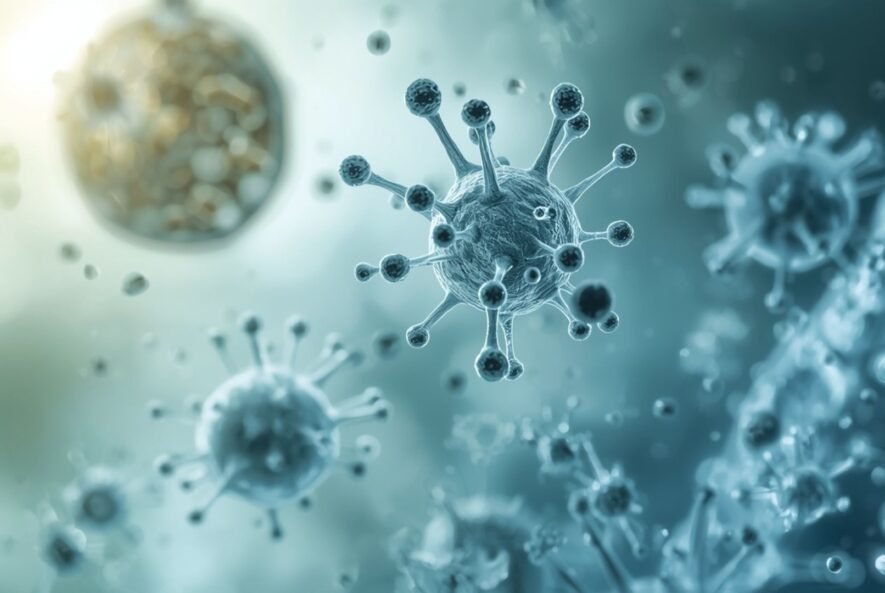
Exosomes are small extracellular vesicles, typically ranging from 30-150 nanometers in diameter. These particles are secreted by cells, including stem cells, and they carry crucial proteins, lipids, and genetic material such as RNA. Exosomes play a key role in intercellular communication, helping to regulate numerous biological processes like immune response, tissue repair, and inflammation control. They act as messengers that allow cells to communicate with each other and support the body’s healing processes.
For more information about stem cells and their applications in regenerative therapies, visit our page on Stem Cell Therapy.
The Role of Exosome Therapy in Regenerative Medicine
Exosome therapy is becoming a go-to treatment in regenerative medicine because it promotes healing at a cellular level. This therapy harnesses the regenerative powers of exosomes by introducing them into the body, where they help to accelerate tissue repair, reduce inflammation, and encourage regeneration. Unlike conventional therapies that focus solely on symptomatic relief, exosome therapy goes deeper by working at a cellular level to encourage long-term healing.
How Does Exosome Therapy Work?
Exosome therapy works by delivering exosomes directly to the injured or affected area, either through injection or intravenous (IV) infusion. These exosomes are derived from stem cells and contain regenerative factors that help stimulate the body’s natural healing processes. The exosomes are introduced into the body, where they:
- Reduce Inflammation: Exosomes have powerful anti-inflammatory properties that help reduce swelling and pain in damaged tissues.
- Stimulate Tissue Regeneration: The growth factors contained within exosomes can stimulate the regeneration of damaged tissues, including cartilage, muscle, and skin.
- Enhance Healing: Exosomes increase blood flow to the damaged area, supplying it with more oxygen and nutrients for faster recovery.
- Promote Cell Repair: Exosomes help repair damaged cells and accelerate the healing of tissue and bone cells.
Benefits of Exosome Therapy
Exosome therapy offers several key benefits, particularly in regenerative and sports medicine:
- Minimally Invasive: Exosome therapy is a non-surgical and minimally invasive treatment option, making it ideal for patients looking for effective alternatives to surgery.
- Fast Healing: Exosomes stimulate the body’s natural healing processes, resulting in faster recovery times and less downtime for patients.
- Reduced Pain: By reducing inflammation and promoting healing, exosome therapy can effectively reduce chronic pain.
- Improved Functionality: Patients often experience restored functionality in joints, muscles, and tendons after undergoing exosome therapy.
Common Conditions Treated with Exosome Therapy
Exosome therapy is widely used to treat a variety of conditions, particularly those involving chronic pain and musculoskeletal injuries. Some of the most common conditions treated include:
- Osteoarthritis: Exosome therapy can help regenerate damaged cartilage and reduce inflammation in joints.
- Chronic Pain: Effective for treating chronic pain conditions, such as back pain, neck pain, and joint pain.
- Soft Tissue Injuries: Exosomes can accelerate the healing of soft tissue injuries, such as torn ligaments, tendons, and muscles.
- Sports Injuries: Athletes can benefit from exosome therapy to recover from injuries like sprains, strains, and ligament damage.
- Autoimmune Disorders: Exosome therapy helps modulate immune responses, providing relief from inflammatory autoimmune conditions.
Is Exosome Therapy Right for You?
If you’re dealing with chronic pain or recovering from an injury, exosome therapy could be an effective treatment option. It is important to consult with a healthcare professional who specializes in regenerative medicine to determine whether this therapy is suitable for your condition. At Stem Cell Miami FL, our experts will evaluate your medical history and tailor a treatment plan that is right for you.
Exosome Therapy vs. Traditional Treatments
While traditional treatments like physical therapy, pain medications, and surgeries focus on managing symptoms or repairing physical damage, exosome therapy goes beyond these approaches by promoting cellular repair and regeneration. Exosome therapy is more targeted and holistic, allowing for natural healing without the need for invasive procedures or long recovery times.
If you’re interested in learning more about other regenerative therapies, check out our guide on Regenerative Medicine Therapy.
Conclusion
Exosome therapy represents a breakthrough in regenerative medicine, offering a natural and non-invasive solution for pain management and tissue regeneration. Whether you’re suffering from chronic pain, sports injuries, or degenerative conditions like osteoarthritis, exosome therapy can accelerate healing, reduce inflammation, and restore functionality to your body. If you’re ready to explore how exosome therapy can benefit you, contact us today to schedule a consultation with one of our experienced specialists.
For more detailed insights into our other treatments, visit our services page.