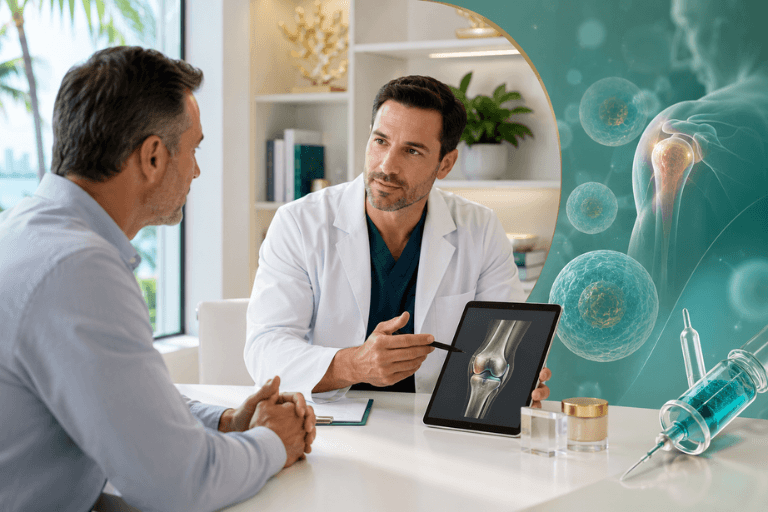
Stem cell therapy has become one of the most talked-about treatments in regenerative medicine. Patients suffering from chronic pain, joint problems, sports injuries, inflammation, and degenerative conditions are increasingly exploring stem cell treatments as a non-surgical option for healing and recovery.
While stem cell therapy offers promising benefits, many patients naturally ask an important question: What are the side effects of stem cell therapy?
Understanding the potential risks, side effects, and recovery expectations is essential before undergoing any regenerative treatment. Although stem cell therapy is generally considered safe when performed by experienced medical professionals, every medical procedure carries some level of risk.
At Stem Cell Miami FL, patient safety and education are top priorities. This guide explains the possible side effects of stem cell therapy, what patients should expect after treatment, and how regenerative medicine procedures are designed to minimize risks while supporting natural healing.
What Is Stem Cell Therapy?
Stem cell therapy is a regenerative medicine treatment that uses stem cells to support tissue repair, reduce inflammation, and encourage healing within the body. Stem cells are unique because they can develop into specialized cell types and help repair damaged tissues.
Stem cell treatments are commonly used for conditions such as:
- Joint pain and arthritis
- Knee injuries
- Back pain
- Shoulder injuries
- Sports injuries
- Tendon and ligament damage
- Degenerative conditions
Many regenerative medicine clinics combine stem cell therapy with treatments such as PRP Therapy, Exosome Therapy, and Hyperbaric Oxygen Therapy to support recovery and healing outcomes.
Is Stem Cell Therapy Safe?
Stem cell therapy is generally considered safe when performed by qualified medical professionals using proper medical protocols. Most treatments are minimally invasive and involve injections rather than surgery.
According to research available through the National Center for Biotechnology Information (NCBI), many patients tolerate stem cell procedures well with minimal complications.
However, safety can depend on several factors, including:
- The type of stem cells being used
- The patient’s overall health condition
- The treatment area
- The experience of the medical provider
- Proper sterilization and medical procedures
- Post-treatment care and recovery
Choosing an experienced regenerative medicine clinic is extremely important for reducing risks and improving treatment outcomes.
Common Side Effects of Stem Cell Therapy
Most side effects associated with stem cell therapy are mild and temporary. Many patients experience little to no downtime after treatment. However, some normal reactions can occur as the body responds to the regenerative process.
1. Pain or Soreness at the Injection Site
One of the most common side effects is mild pain, swelling, or soreness at the injection site. Since stem cell therapy often involves injections into joints, muscles, or soft tissues, temporary discomfort can occur after the procedure.
Patients may experience:
- Mild tenderness
- Swelling
- Bruising
- Temporary stiffness
- Minor redness
These symptoms usually improve within a few days.
2. Temporary Inflammation
Inflammation is actually part of the body’s healing response. Some patients notice temporary increases in inflammation after stem cell injections as the regenerative process begins.
This may cause:
- Joint tightness
- Mild discomfort
- Temporary pressure sensations
- Increased sensitivity in the treated area
In many cases, this inflammation is short-term and may indicate that the body is responding to treatment.
3. Fatigue After Treatment
Some patients report feeling tired or fatigued for a short period after stem cell therapy. This may happen because the body is redirecting energy toward healing and recovery.
Temporary fatigue typically resolves within a few days after treatment.
4. Headaches
Although less common, some individuals may experience mild headaches after stem cell procedures, particularly if IV-based regenerative treatments are used.
Staying hydrated and following post-treatment instructions may help minimize this side effect.
5. Mild Fever or Flu-Like Symptoms
A small number of patients may experience mild flu-like symptoms, including low-grade fever or body aches. This response is usually temporary and may be related to immune system activation.
Symptoms are generally mild and short-lived.
Less Common Risks and Complications
While serious complications are uncommon, patients should still understand the potential risks associated with stem cell therapy.
1. Infection
As with any injection-based procedure, there is a small risk of infection if proper sterile techniques are not followed.
Signs of infection may include:
- Severe redness
- Persistent swelling
- Fever
- Drainage from the injection site
- Increasing pain
Choosing a reputable clinic with proper medical standards helps minimize this risk significantly.
2. Bleeding or Bruising
Minor bruising or bleeding can occur at the injection site, especially in patients taking blood-thinning medications or those with sensitive skin.
This side effect is typically temporary and resolves naturally.
3. Allergic Reactions
Although rare, allergic reactions may occur depending on the substances or materials used during the treatment process.
Patients should always inform their healthcare provider about allergies, medications, and medical history before treatment.
4. Nerve or Tissue Injury
Improper injection techniques could potentially cause nerve irritation or tissue damage. This is why stem cell therapy should only be performed by experienced professionals trained in regenerative medicine procedures.
5. Unsuccessful Results
Not every patient responds the same way to stem cell therapy. Some individuals may experience significant improvements, while others may notice only partial relief or limited results.
Factors that may influence treatment success include:
- Severity of the condition
- Age and overall health
- Lifestyle habits
- Smoking status
- Treatment area
- Extent of tissue damage
Are There Long-Term Side Effects of Stem Cell Therapy?
Research on stem cell therapy continues to evolve, and many studies show promising safety profiles for properly administered regenerative treatments.
In most orthopedic and regenerative medicine applications, serious long-term side effects appear to be uncommon when treatments are performed correctly.
However, because regenerative medicine is still an advancing field, patients should work closely with qualified healthcare providers who follow evidence-based protocols and medical guidelines.
How to Reduce the Risk of Side Effects
Patients can take several important steps to reduce the risk of complications and improve recovery after stem cell therapy.
Choose an Experienced Clinic
One of the most important factors is selecting a qualified regenerative medicine provider with experience in stem cell procedures.
At Stem Cell Miami FL, patient safety protocols and individualized treatment plans help support safer treatment experiences.
Follow Post-Treatment Instructions
Proper aftercare is essential for recovery and healing. Patients should follow all instructions regarding:
- Physical activity restrictions
- Hydration
- Rest and recovery
- Medication guidelines
- Follow-up appointments
Avoid Smoking and Excessive Alcohol
Smoking and excessive alcohol consumption may interfere with healing and reduce the effectiveness of regenerative treatments.
Healthy lifestyle habits can support better recovery outcomes.
Maintain Realistic Expectations
Stem cell therapy is not an instant cure. Healing and regeneration often take time, and patients may notice gradual improvements over several weeks or months.
What to Expect After Stem Cell Therapy
Recovery experiences can vary depending on the treatment area and the patient’s condition.
Immediately after treatment, patients may experience:
- Mild soreness
- Temporary stiffness
- Localized swelling
- Fatigue
Most individuals can return to light activities within a short period, although strenuous exercise may need to be avoided temporarily.
Healing and tissue regeneration usually continue over time as stem cells support the body’s natural repair mechanisms.
Benefits Often Outweigh the Risks
Despite the potential side effects, many patients pursue stem cell therapy because of its potential benefits and minimally invasive nature.
Possible benefits may include:
- Reduced pain
- Improved mobility
- Faster recovery
- Reduced inflammation
- Delayed need for surgery
- Enhanced tissue healing
For many individuals dealing with chronic pain or injuries, regenerative medicine provides an alternative option when traditional treatments have not provided sufficient relief.
Stem Cell Therapy and Regenerative Medicine
Stem cell therapy is often part of a broader regenerative medicine approach focused on helping the body heal naturally.
Other therapies commonly used alongside stem cell treatments include:
These therapies may help support healing, recovery, and overall wellness when incorporated into a personalized treatment plan.
Who Should Avoid Stem Cell Therapy?
Although many individuals may benefit from stem cell therapy, not everyone is an ideal candidate.
Certain medical conditions or factors may require caution, including:
- Active infections
- Certain cancers
- Severe immune disorders
- Blood clotting disorders
- Pregnancy in some cases
A comprehensive medical evaluation is important before beginning any regenerative treatment.
Final Thoughts on the Side Effects of Stem Cell Therapy
Stem cell therapy is considered a promising and minimally invasive regenerative medicine treatment that may help support healing, reduce pain, and improve recovery for many patients.
While most side effects are mild and temporary, patients should still understand the potential risks before undergoing treatment. Common side effects such as soreness, swelling, inflammation, and temporary fatigue are usually manageable and short-lived.
Working with experienced regenerative medicine professionals and following proper medical guidance can significantly reduce risks and improve treatment outcomes.
If you are considering stem cell therapy and want to learn more about your treatment options, visit Stem Cell Miami FL or schedule a consultation today.