Chronic joint pain, arthritis, sports injuries, and inflammation can significantly affect daily life and mobility. Many patients searching for non-surgical pain relief options often compare two common treatments: Stem Cell Therapy and Cortisone Injections.
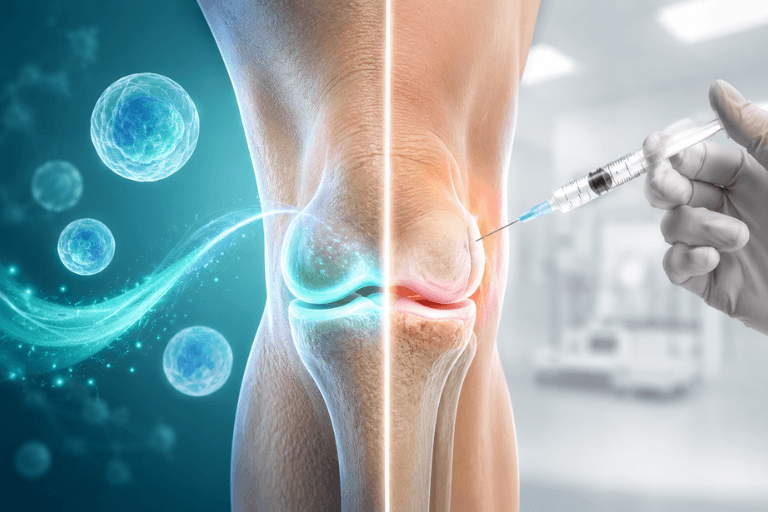
Both treatments are widely used for managing pain and inflammation, but they work in very different ways. Cortisone injections primarily focus on temporarily reducing inflammation and pain symptoms, while stem cell therapy aims to support tissue repair and long-term healing through regenerative medicine.
Understanding the differences between these treatments is important when deciding which option may be appropriate for your condition and recovery goals.
At Stem Cell Miami FL, patients receive personalized evaluations to determine the most suitable regenerative medicine approach for joint pain, injuries, and mobility concerns.
What Is Stem Cell Therapy?
Stem cell therapy is an advanced regenerative medicine treatment that uses stem cells to help support the body’s natural healing processes. Stem cells are unique because they can assist with tissue repair, inflammation reduction, and cellular regeneration.
Stem cell therapy is commonly used for:
- Knee pain and arthritis
- Shoulder injuries
- Hip pain
- Back pain
- Tendon injuries
- Ligament damage
- Sports injuries
- Joint degeneration
The goal of stem cell therapy is not simply masking pain. Instead, regenerative medicine focuses on supporting healing and improving tissue function over time.
Many clinics also combine stem cell therapy with treatments such as PRP Therapy, Exosome Therapy, and Hyperbaric Oxygen Therapy for enhanced recovery support.
What Are Cortisone Injections?
Cortisone injections are anti-inflammatory steroid injections commonly used to relieve pain and swelling in joints, muscles, and soft tissues.
Cortisone belongs to a class of medications called corticosteroids, which help reduce inflammation quickly.
Doctors often use cortisone injections for:
- Arthritis
- Bursitis
- Tendonitis
- Joint inflammation
- Back pain
- Shoulder pain
- Knee pain
Unlike regenerative medicine treatments, cortisone injections are mainly designed to control symptoms rather than repair damaged tissue.
How Stem Cell Therapy Works
Stem cell therapy works by introducing regenerative cells into damaged or inflamed areas of the body. These cells may help support:
- Tissue repair
- Inflammation reduction
- Cellular regeneration
- Healing response activation
- Improved joint function
Once injected into the treatment area, stem cells interact with surrounding tissues and signaling pathways involved in recovery and healing.
According to research available through the National Center for Biotechnology Information (NCBI), regenerative medicine therapies continue to show promising applications in orthopedics and musculoskeletal care.
How Cortisone Injections Work
Cortisone injections work differently from stem cell therapy. Instead of promoting tissue regeneration, cortisone suppresses inflammation within the affected area.
The injection helps reduce:
- Swelling
- Pain
- Inflammatory activity
- Joint irritation
Patients often experience relatively quick pain relief after receiving cortisone injections, sometimes within a few days.
However, the effects are generally temporary and may wear off over time.
Main Difference Between Stem Cell Therapy and Cortisone Injections
The biggest difference between stem cell therapy and cortisone injections is the treatment goal.
Stem Cell Therapy:
- Focuses on healing and regeneration
- Supports tissue repair
- Aims for long-term improvement
- Uses regenerative medicine principles
Cortisone Injections:
- Focus mainly on symptom relief
- Reduce inflammation temporarily
- May provide short-term pain reduction
- Do not regenerate damaged tissue
Stem Cell Therapy for Long-Term Healing
One major reason many patients explore regenerative medicine is because stem cell therapy may help address the underlying tissue damage contributing to pain and dysfunction.
Stem cell therapy may potentially support:
- Cartilage health
- Tendon recovery
- Ligament healing
- Joint mobility
- Inflammation control
Healing is gradual and often occurs over several weeks or months as regenerative processes continue within the body.
Cortisone Injections for Temporary Relief
Cortisone injections are often chosen when patients need faster short-term pain relief.
These injections may be helpful for:
- Acute inflammation flare-ups
- Temporary symptom management
- Pain reduction before physical therapy
- Short-term mobility improvement
However, repeated steroid injections may carry risks over time, particularly when used frequently in the same joint.
Benefits of Stem Cell Therapy
1. Supports Natural Healing
Stem cell therapy focuses on supporting the body’s regenerative abilities rather than simply suppressing symptoms.
2. Minimally Invasive
Most stem cell procedures involve injections instead of surgery, reducing recovery time and surgical risks.
3. Potential Long-Term Improvement
Some patients pursue stem cell therapy because they hope to achieve longer-lasting improvements in function and pain management.
4. May Delay Surgery
In certain cases, regenerative medicine treatments may help patients postpone or avoid surgery.
5. Reduced Inflammation
Stem cells may help regulate inflammatory responses naturally while supporting tissue recovery.
Benefits of Cortisone Injections
1. Fast Pain Relief
Cortisone injections can often provide quicker symptom relief compared to regenerative medicine therapies.
2. Widely Available
Steroid injections are commonly offered in orthopedic and pain management clinics.
3. Helpful for Acute Inflammation
Cortisone may help calm severe inflammation during painful flare-ups.
4. Non-Surgical Treatment Option
Like stem cell therapy, cortisone injections are minimally invasive compared to surgery.
Potential Risks of Stem Cell Therapy
Stem cell therapy is generally considered safe when performed by experienced professionals, but possible side effects may include:
- Temporary soreness
- Swelling
- Bruising
- Mild inflammation
- Injection site discomfort
Serious complications are uncommon when proper medical protocols are followed.
To learn more, visit our guide on the side effects of stem cell therapy.
Potential Risks of Cortisone Injections
Although cortisone injections can provide symptom relief, repeated steroid use may carry risks.
Potential risks include:
- Cartilage damage over time
- Tendon weakening
- Joint deterioration
- Increased blood sugar levels
- Skin thinning near injection areas
- Temporary immune suppression
Frequent cortisone injections are usually limited because excessive steroid exposure may negatively affect tissues.
Recovery Time Comparison
Stem Cell Therapy Recovery
Recovery after stem cell therapy varies depending on the treatment area and severity of the condition.
Patients may experience:
- Mild soreness for a few days
- Gradual improvement over weeks or months
- Activity modifications during healing
Cortisone Injection Recovery
Cortisone injections generally involve minimal downtime.
Patients often:
- Resume normal activities quickly
- Notice symptom relief within days
- Experience shorter-term effects
Which Treatment Lasts Longer?
Cortisone injections usually provide temporary relief, which may last from weeks to several months depending on the condition.
Stem cell therapy aims to support longer-term healing and tissue recovery. While results vary by patient, regenerative medicine focuses more on addressing underlying damage rather than temporarily masking pain.
Stem Cell Therapy vs Cortisone for Arthritis
Arthritis is one of the most common reasons patients compare these treatments.
Cortisone for Arthritis:
- Helps reduce inflammation quickly
- Provides temporary pain relief
- May be useful during flare-ups
Stem Cell Therapy for Arthritis:
- Focuses on regenerative support
- May help improve joint function
- Targets tissue healing mechanisms
- Supports long-term joint health goals
Who May Be a Candidate for Stem Cell Therapy?
Stem cell therapy may be considered for individuals who:
- Have mild to moderate joint damage
- Want to avoid surgery
- Experience chronic pain
- Are seeking regenerative treatment options
- Have sports-related injuries
- Are committed to recovery and rehabilitation
To learn more, visit our guide on who may not qualify for stem cell therapy.
Who May Benefit More from Cortisone Injections?
Cortisone injections may sometimes be recommended for:
- Acute inflammatory flare-ups
- Short-term pain management
- Patients needing temporary symptom control
- Situations requiring rapid inflammation reduction
Can Stem Cell Therapy and Cortisone Be Used Together?
In some cases, doctors may use different treatment strategies at different stages of care.
However, because cortisone suppresses inflammation and immune responses, timing and treatment planning are important when combining regenerative medicine with steroid injections.
Treatment decisions should always be guided by qualified medical professionals experienced in regenerative medicine.
Cost Differences Between Stem Cell Therapy and Cortisone Injections
Cortisone injections are generally less expensive upfront because they are widely available and designed for temporary symptom management.
Stem cell therapy typically involves higher upfront costs due to the advanced regenerative medicine procedures and individualized treatment planning involved.
However, some patients explore stem cell therapy because they are seeking longer-term alternatives to repeated injections or surgery.
Lifestyle and Recovery Matter
Regardless of treatment choice, lifestyle factors strongly affect recovery outcomes.
Healthy habits such as:
- Regular movement and exercise
- Physical therapy
- Healthy nutrition
- Hydration
- Quality sleep
- Avoiding smoking
can support better healing and mobility.
Final Thoughts: Stem Cell Therapy vs Cortisone Injections
Both stem cell therapy and cortisone injections may help patients dealing with joint pain, inflammation, and musculoskeletal conditions, but they work in fundamentally different ways.
Cortisone injections focus primarily on temporary inflammation reduction and short-term pain relief, while stem cell therapy aims to support healing, tissue repair, and regenerative recovery over time.
The right treatment depends on factors such as:
- Your medical condition
- Severity of tissue damage
- Pain levels
- Lifestyle goals
- Long-term treatment objectives
At Stem Cell Miami FL, personalized regenerative medicine evaluations help patients understand their options and determine the most appropriate treatment approach for their individual needs.
If you are considering regenerative medicine treatments for joint pain, arthritis, or injury recovery, schedule a consultation today to learn more about your options.